
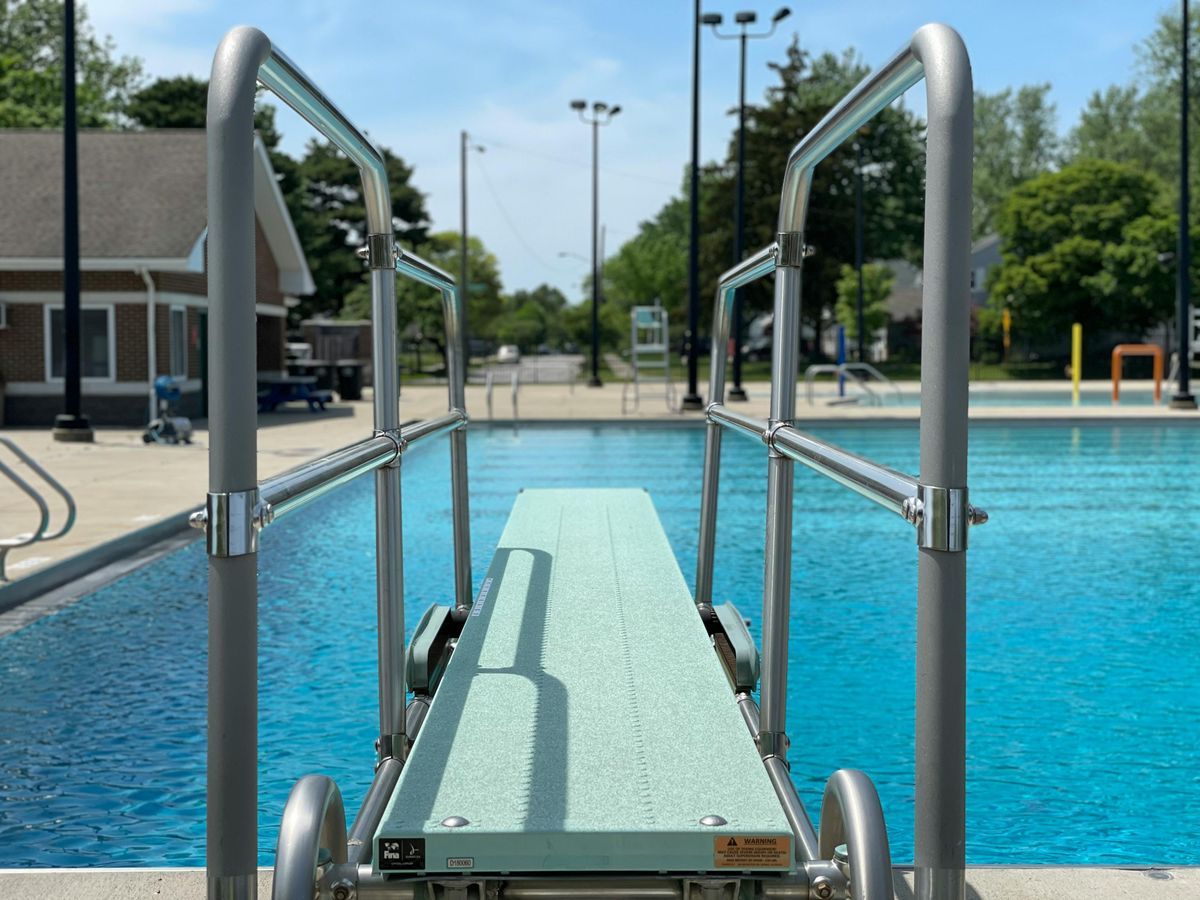
Summer is just around the corner, which means pool season is almost here. A community pool is more than just a place to cool off—it’s a space where neighbors gather, families create memories, and residents relax and unwind. To ensure everyone has a safe and enjoyable experience, associations should establish clear pool policies, maintain proper safety procedures, and communicate expectations to residents before the season begins.
Acceptable Swim Attire and Hygiene. Associations should clearly define acceptable swim attire and hygiene to help maintain a family-friendly, clean, and safe environment. Proper swimwear made from pool-safe materials should be required at all times, while street clothing, excessively loose garments, and inappropriate attire may damage pool filtration systems or create safety concerns. Residents and guests should also practice good hygiene by showering before entering the pool, refraining from swimming while ill, and properly disposing of trash and personal items. These simple measures help maintain water quality, reduce health risks, and create a more enjoyable experience for everyone using the facility.
Lifeguard Policy. Associations should clearly communicate whether lifeguards will be present at the pool and, if so, the hours during which they will be on duty. If lifeguards are not provided, communities should prominently post “Swim at Your Own Risk” signage throughout the facility to ensure residents and guests understand that they are responsible for their own safety while using the pool.
Smoking/Vaping/Electrical Guidelines promote a clean and safe environment, smoking and vaping should be prohibited within the pool enclosure and surrounding common areas. Associations should also prohibit electrical devices near the water to reduce the risk of electrical shock and potential accidents.
Guest Policies help prevent overcrowding and ensure residents can comfortably enjoy the facility. Associations may require residents to accompany guests at all times, limit the number of guests permitted per household, or require advance guest registration during peak weekends and holidays.
Age Requirements. Communities should establish clear guidelines regarding the allowable age at which children or teens may use the pool without adult supervision. These policies help improve safety and clarify expectations for families using the facility. Boards should also consider local regulations and insurance requirements when determining supervision policies.
Entry to the Pool Area. Many communities utilize pool passes, key fobs, or access cards to help manage entry into the pool. Associations may also require residents to provide identification that reflects their listed address to confirm eligibility and maintain security within the pool area.
Food and Beverage Policies. Glass containers should never be permitted in the pool area due to the risk of broken glass. Communities may also consider restricting large coolers, grilling equipment, or messy foods that attract insects and create additional maintenance concerns.
Security Cameras. Many associations are utilizing security cameras around pool facilities to enhance safety, monitor rule violations, and help protect community property. If cameras are installed, residents should be informed that surveillance is in use, while also understanding that cameras are intended for security purposes and not constant supervision.
Hours of Operation and Noise. Pool facilities are shared spaces, and courtesy toward neighbors and fellow residents is important. Associations may wish to establish rules regarding loud music, portable speakers, and excessive noise to ensure the environment remains relaxing and enjoyable for everyone.
Pet Policy. For health and sanitation reasons, pets are generally prohibited within fenced pool areas unless they are registered service animals permitted by law. Posting clear signage and communicating pet policies in advance can help avoid confusion and maintain a sanitary environment.
Emergency Response Plans. Every community should have a clear emergency response plan in place. Emergency contact numbers, pool rules, and procedures for handling accidents or severe weather should be visibly posted throughout the facility.
Post Pool inspections and Chemical Management Schedules. Routine pool inspections and proper chemical management are critical to maintaining a safe swimming environment. Associations should work closely with qualified pool vendors to ensure water chemistry is properly balanced, equipment is functioning correctly, and all local health regulations are being followed.
By proactively reviewing policies, communicating expectations, and prioritizing resident safety, community associations can help ensure a successful and enjoyable pool season for all.