
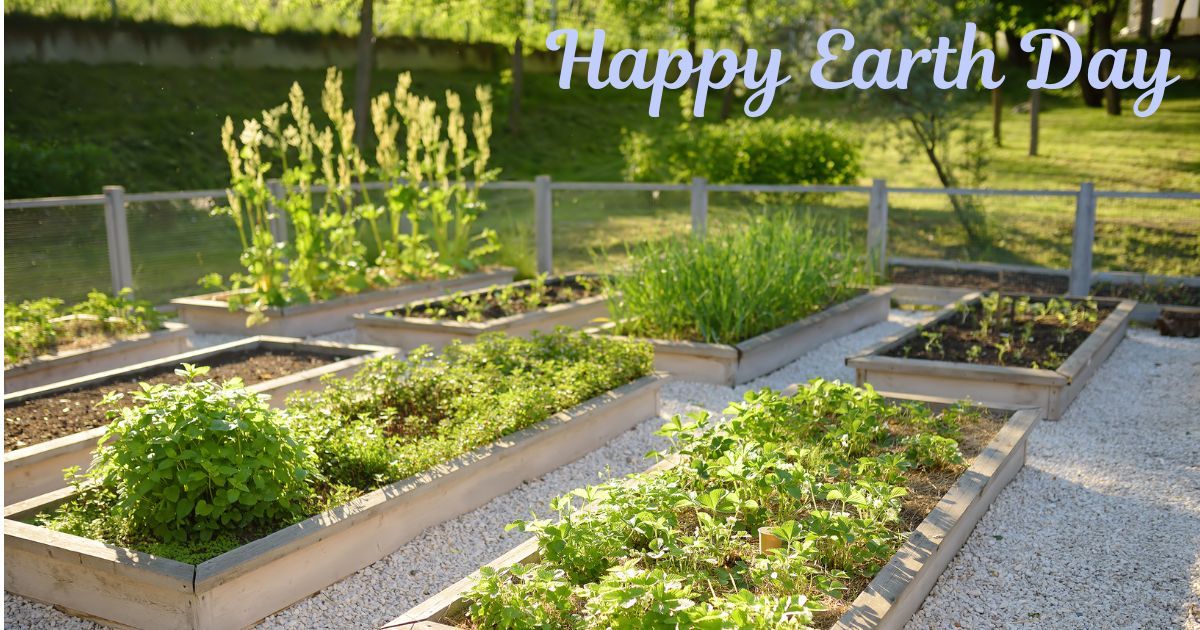
Community gardens are blossoming across many shared communities—and for good reason. They offer more than just fresh produce; they create vibrant, welcoming spaces where residents can connect, collaborate, and truly feel at home.
One of the most immediate benefits of a community garden is improved access to nutritious, homegrown fruits and vegetables. With growing awareness around food quality in the U.S.—and the continued rise in grocery costs—these gardens empower residents to take control of what they consume while supporting healthier lifestyles.
Beyond nutrition, community gardens play an important role in environmental stewardship. They encourage sustainable practices such as water conservation, composting, and thoughtful land use—small but meaningful steps that collectively benefit our planet.
Perhaps most importantly, community gardens strengthen neighborhood bonds. In a time when many people feel increasingly disconnected, these shared spaces foster a sense of purpose and belonging. Neighbors come together to collaborate, exchange gardening tips, and celebrate the rewards of their hard work. Along the way, they create not just gardens, but lasting relationships. And let’s not forget—gardening itself offers a peaceful, rewarding escape from the stresses of everyday life.
How to Create a Community Garden
Starting a community garden within an HOA may feel like a big undertaking, but breaking it down into manageable steps makes the process both achievable and enjoyable.
1. Gauge Interest and Build a Team
Start by talking with residents and identifying those who share your vision. A small, committed group is the foundation for long-term success—start small and grow over time.
2. Select the Right Location
Choose a site with ample sunlight, access to water, and safe soil conditions. An underutilized green space within the community can often be the perfect fit.
3. Foster Inclusivity
Encourage participation from residents of all ages and experience levels. A welcoming environment ensures the garden becomes a shared space for everyone.
4. Plan the Garden Thoughtfully
Determine the layout and structure:
- How large will the garden be?
- Will there be individual or shared beds?
- Is fencing needed to deter pests?
- What will be planted, and which plants grow well together?
- Are your selections appropriate for the local climate and season?
Also consider funding—will materials be supported through HOA funds, grants, or community fundraising?
5. Prepare the Space
This is where the real work—and fun—begins. Test the soil, build garden beds, and start planting vegetables, herbs, fruits, and flowers.
6. Establish Maintenance Guidelines
Create a schedule for watering, weeding, and general upkeep. Clear communication and simple signage can help keep everyone aligned and engaged.
7. Celebrate and Share
Bring the community together with events, harvest days, or casual gatherings. Adding benches, decorative elements, or garden art can enhance the space and make it even more inviting.
A community garden is about so much more than growing plants—it’s about cultivating connection, resilience, and pride in your neighborhood. It transforms unused space into something meaningful and brings people together in a way few other initiatives can.
So whether you’re planting your first seed or leading the charge in your HOA, remember: the true harvest isn’t just what you grow—it’s the community you build.
Now… get digging. 🌱